Gastronomy, a pillar of the French art of living
A symbol of elegance and refinement, French gastronomy is not limited to the plate: it tells a story, that of a country where the art of dining has become a universal language. From the lavish banquets of Louis XIV at the Palace of Versailles to today’s diplomatic dinners, French cuisine has established itself as one of the most beautiful reflections of our culture and way of life.
At the origins of an art: Versailles, theater of royal taste
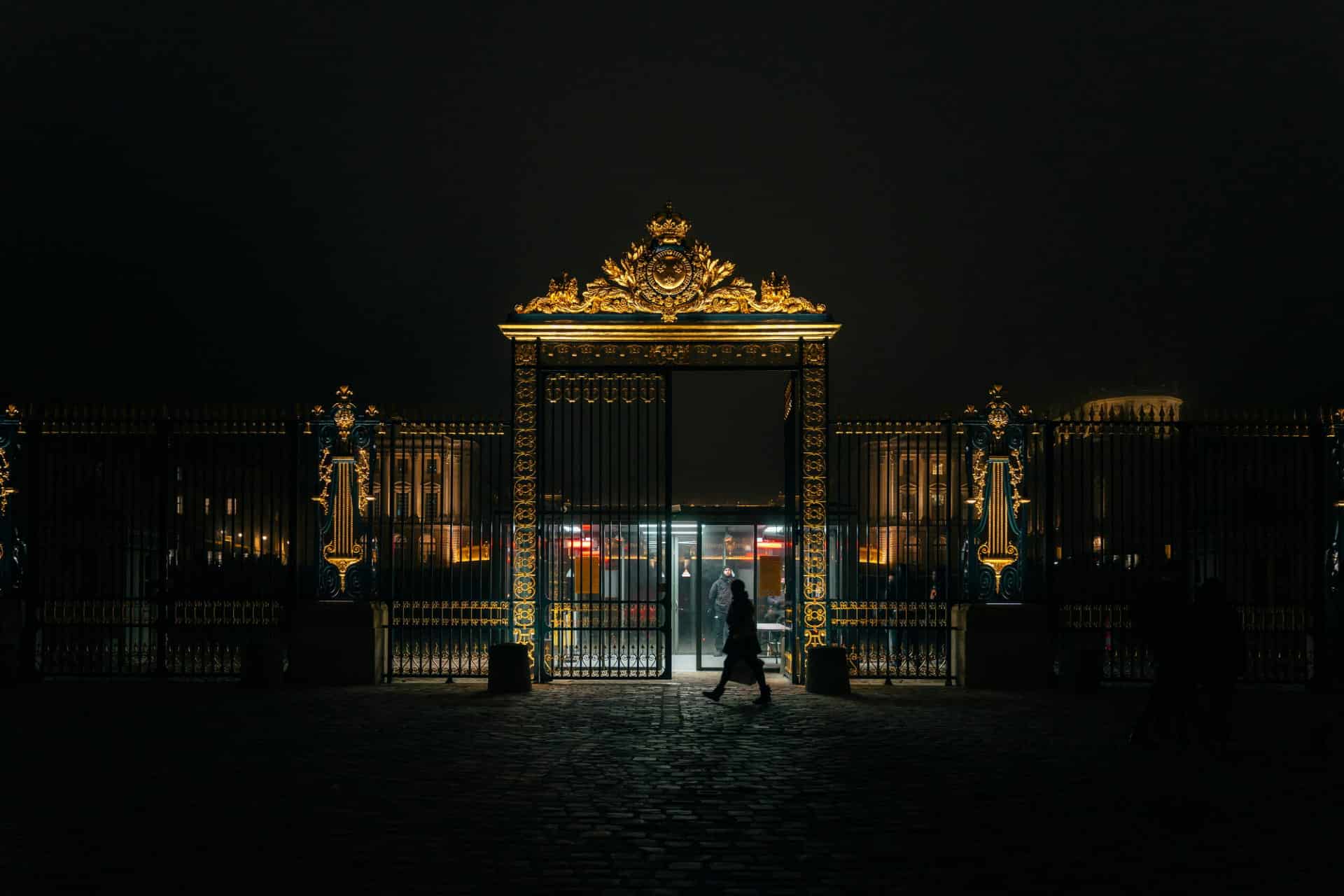
When Louis XIV moved to Versailles, the castle became not only the center of political power but also the beating heart of a culinary art in full effervescence. The Sun King understands better than anyone the importance of staging and symbolism in the exercise of power. And nothing was more telling than a royal banquet.
These feasts, sometimes gathering several hundred guests, were spectacles in their own right. The arrangement of the dishes, the richness of the food, and the variety of flavors contributed to the glory of the monarch. The king’s table, served “à la française,” offered a profusion of dishes simultaneously, which one discovered with the eyes even before tasting them. Everything was designed to impress and amaze, as much as to nourish.
The cuisine of Versailles was the cradle of practices that would become global references: the importance of presentation, the hierarchy of services, and the role of wine in accompanying the dishes.
Banquets and diplomacy: the table as an instrument of power
Beyond the splendor, Versailles gastronomy was an instrument of diplomacy. Receiving a foreign ambassador around a banquet was to introduce them to French grandeur thru its flavors and refinement. The table became a stage where subtle political balances were played out.
A dinner could seal an alliance, ease a tension, or on the contrary, display a domination. The culinary refinement impresses guests from all over Europe. Where some kingdoms settle for functional meals, France offers a complete art, capable of captivating beyond cultural barriers.
A notable example is that of the banquets given to welcome Spanish or Italian delegations: the kitchens of Versailles overflow with inventiveness to surprise palaces accustomed to refined flavors. Exotic dishes (chocolate, coffee, spices) were presented as treasures, proof of France’s power and global influence.
The refinement of the art of dining
It was not only the cuisine that made Versailles famous, but the entire ritual that accompanied it. The art of setting a table, of harmonizing dishes, cutlery, silverware, and tablecloths, became a domain in its own right. Every detail counts.
It is here that the idea that culinary art is inseparable from the art of hospitality takes shape. The meal is not just about eating, it becomes a total experience. Even today, the elegance of table service, the precision of a food and wine pairing, or the attention given to guests are heirs to this Versailles spirit.
Legacies and evolutions: from the court to world heritage
This art of living has spanned the centuries. Little by little, the practices of Versailles spread throughout Europe. France became the culinary model to which foreign courts referred. “French cuisine” became synonymous with expertise.
In the 19th century, chefs like Antonin Carême, then Auguste Escoffier, inherited this tradition and modernized it. They codified the cuisine, established rules still in effect in contemporary gastronomy, and made France shine in the major European capitals.
This transmission culminates in 2010 when UNESCO inscribes the “gastronomic meal of the French” on the intangible cultural heritage of humanity. It is not just the cuisine that is celebrated, but rather an art of living: the pleasure of being together and the importance of conviviality.
Gastronomy as a vector of conviviality
What is striking when observing the evolution of French gastronomy is its ability to unite. Around a table, social or cultural barriers fade: we exchange, we share, we celebrate. This convivial dimension, already present several centuries ago, is one of the most precious legacies of this history.
Even today, festive meals, large family gatherings, or dinners with friends continue this spirit. Gastronomy is not only experienced in the great starred establishments, but also in bistros, markets, and family kitchens. It embodies the idea that the pleasure of eating goes hand in hand with the pleasure of being together.
Versailles, still at the heart of taste
Versailles has lost nothing of this gastronomic dimension. The estate regularly hosts exceptional dinners, recreating the atmosphere of royal banquets.
Visitors can also discover this history by strolling thru the surrounding neighborhoods, where tradition and modernity meet: restaurants, markets, refined pastries. Versailles remains a showcase of this art of living.


Contemporary culinary diplomacy
The legacy of Versailles is also found in modern diplomacy. When a head of state is received at the Élysée, it is often around a dinner that French elegance is expressed. Choice of menus, wine pairings, table setting: everything is thot out to reflect French grandeur and hospitality.
These official meals perpetuate the idea that gastronomy is not just a pleasure, but a universal language. It says something about our culture.
From Versailles to the present day, the gastronomy of the Hexagon has established itself as a pillar of the French art of living. More than just a simple heritage, it is a living patrimony, constantly reinventing itself, which continues to charm and inspire.
It remains a powerful vector of diplomacy, a symbol of conviviality, and a reflection of French elegance. Like in the splendor of Versailles, sharing a meal in France remains an experience that goes far beyond taste.