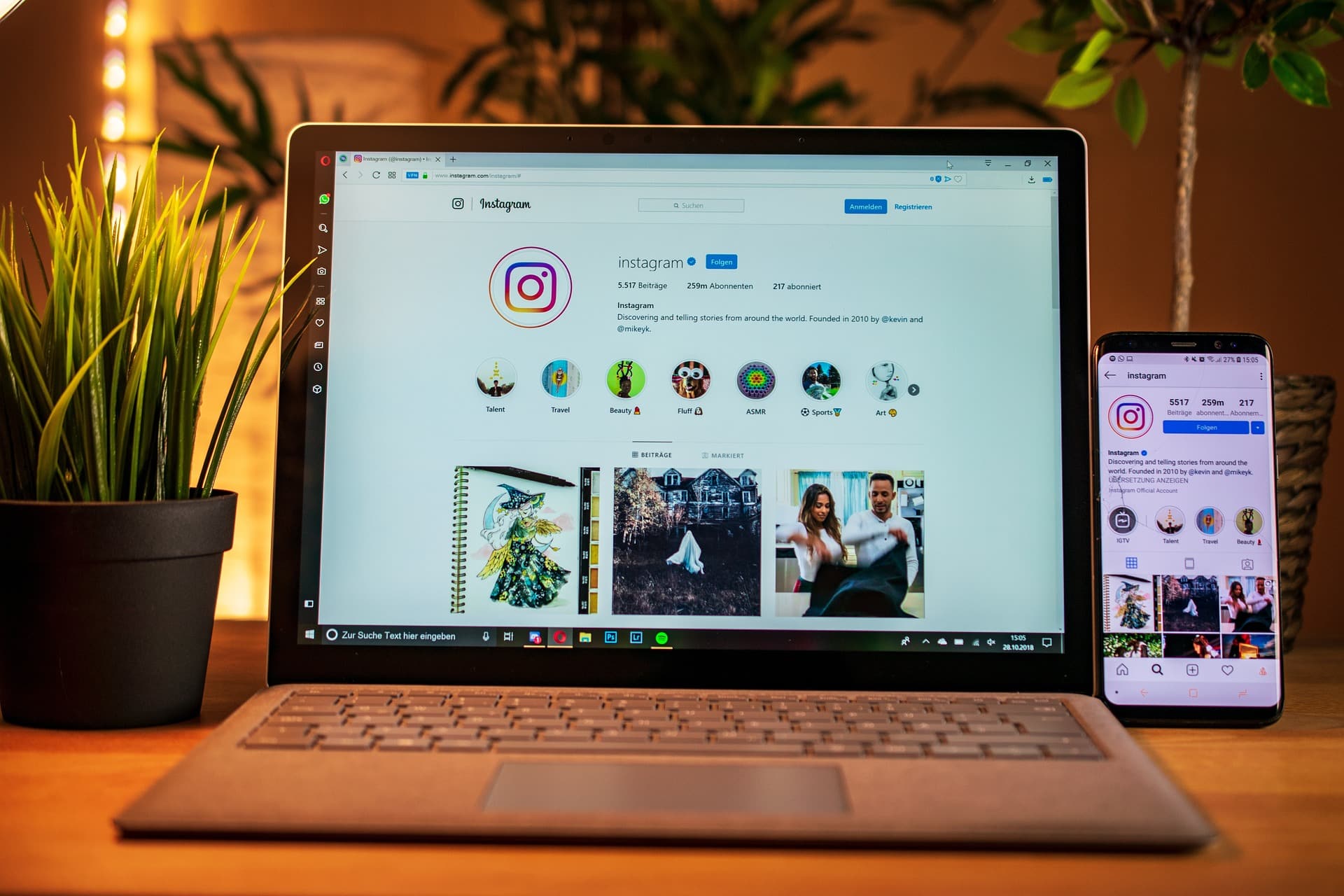
Social media occupies a more important place than ever in our lives. Social networks are transforming the way we communicate, inform ourselves, and interact with the world. Over the years, these digital platforms have multiplied and diversified, becoming deeply integrated into our daily routines. Although social media offers many possibilities, especially in terms of social connections and information sharing, it also raises questions about its impact on our personal and collective lives. Thus, the constant evolution of these digital tools and their omnipresence raises questions about their effect on our mental and physical well-being. To answer this question, we will first discuss the history of social media and their impact on our daily lives. Finally, we will explore their real impact on our physical and mental well-being.
From Pioneers to Modern Giants: The Rise of Social Media
The origins of social media go back to the 1990s. At that time, the Internet was primarily a tool for information research and email communication. However, from 1997 to 1999, the precursors to social media appeared. One of the first social networks to emerge was Six Degrees. This early platform allowed users to create a profile and connect with friends to expand their network. Another social network emerged in 2002, marking a major turning point in the evolution of social media. Friendster allowed users to stay in touch with their friends, but with one key difference: users were no longer only connected to their friends but to the world at large. Finally, another social network that significantly shaped the evolution of social media was MySpace. This platform combined features from other networks while adding new functionalities, such as allowing users to share photos, videos, and music with others. These early platforms undeniably marked a turning point in the creation of social networks. However, we cannot deny that the emergence of other platforms like Facebook in 2004, YouTube in 2005, Twitter in 2006, and later, Instagram in 2010, truly changed the game. These platforms focused on connecting people on a global scale and emphasized the immediacy of interactions, as well as the vast potential for information sharing. Facebook in particular popularized the “wall” and “like” features, turning online interactions into a game of validation and appreciation.
Connected for the Better: The Hidden Benefits of Social Media

Social media can have positive effects when used mindfully. One of the most positive aspects of social media is its ability to maintain and strengthen social ties. Many people who feel isolated or distanced from their families and friends can reconnect with them through platforms like Facebook, WhatsApp, or Instagram, allowing them to maintain a sense of belonging. A study on social connectivity conducted by Kuss and Griffiths showed that social media plays a key role in online social support. According to this study, social media provides individuals with a means of staying in touch, interacting with friends, and sharing authentic experiences, which strengthens the perception of belonging to a group and social satisfaction.
Additionally, social media platforms offer a place where users can find useful resources and information, particularly regarding mental health. Online groups, forums, and support pages allow individuals to share personal experiences, receive emotional support, and access practical advice. Researchers Tiggemann and Slater conducted a study in 2014 that observed how platforms like Facebook and Reddit host support communities where members help each other in their struggles with mental health issues such as depression, anxiety, or eating disorders. This type of support can reduce isolation and increase feelings of understanding and validation.
Furthermore, social media plays an essential role in spreading awareness and information about mental health issues. Campaigns like #BellLetsTalk and #MentalHealthAwareness have helped educate the public on conditions such as depression, anxiety, and eating disorders while reducing the stigma associated with these conditions. A study conducted by Naslund and his collaborators showed that social media contributes to greater awareness of mental health. In addition, these platforms help circulate information about early symptoms, available resources, and coping strategies.
Moreover, social media can encourage a healthier lifestyle, particularly through apps that also function as social networks, like Strava, Fitbit, and MyFitnessPal, which allow users to share their goals with the broader public and motivate each other in online communities. Studies have shown that social media can positively influence motivation to exercise. For example, photos or videos of workout sessions shared by friends or influencers can encourage others to engage in physical activities and adopt a more active lifestyle.
Finally, another positive aspect of social media is that it allows individuals to express themselves and build their online identities by choosing the elements they wish to share with the world. This can be a way to explore and solidify one’s identity, especially for adolescents and young adults. Studies have shown that adolescents use social media to experiment and assert their identity. These online interactions help them better understand social reactions, improve self-confidence, and test different aspects of their personality.
Trapped in the Virtual World: The Dark Side of Social Media

Despite their positive aspects, social media unfortunately also has negative effects on individuals’ mental and physical health. Many researchers have studied these impacts, and the results show a series of risks associated with excessive or mismanaged use of social media. After reviewing the positive effects, let’s now look at the negative aspects of social media.
First, one of the most concerning effects of social media is its connection to increased symptoms of anxiety and depression. Constant comparison with others, the search for validation, and cyberbullying are factors that can significantly affect self-esteem. A study conducted by Vogel in 2014 found that social media users tend to compare themselves negatively to others. This can lead to feelings of inferiority, envy, and depression. Continuous exposure to idealized images of others’ lives can create discomfort and significant stress.
Another study conducted in 2017 by Primack found that excessive use of social media leads to an increase in symptoms of anxiety and depression among young adults. The researchers discovered that the more time users spend on social media, the more likely they are to experience depressive symptoms.
Moreover, the use of social media amplifies the phenomenon of FOMO (Fear Of Missing Out). FOMO refers to the fear of missing out on something. Seeing in real-time what others are doing, their social events, or their personal achievements can cause significant stress and a sense of exclusion. A study has shown that FOMO is fueled by social media, which increases stress and reduces satisfaction with real-life experiences. Additionally, individuals feel a compulsive need to check notifications or follow what their friends are doing, which creates pressure and stress.
Furthermore, another harmful effect of social media is the rise of cyberbullying, which is growing every day. The relative anonymity of the web allows some malicious internet users to attack others. This can have extremely serious consequences for the mental health of the victims. A study on cyberbullying initiated by two researchers found that 25% of young adults had been victims of cyberbullying on social media. The consequences of cyberbullying are devastating, as victims often experience anxiety and depression.
Finally, one of the negative consequences of social media use is its impact on sleep. Additionally, exposure to the blue light from screens and constant engagement with platforms can interfere with the natural sleep cycle. A study conducted in 2017 revealed that using screens before bedtime reduces sleep quality. Social media platforms and notifications can cause frequent awakenings and disrupt deep sleep. Moreover, the use of social media may contribute to excessive sedentary behavior, increasing the risk of diseases related to a lack of physical activity.