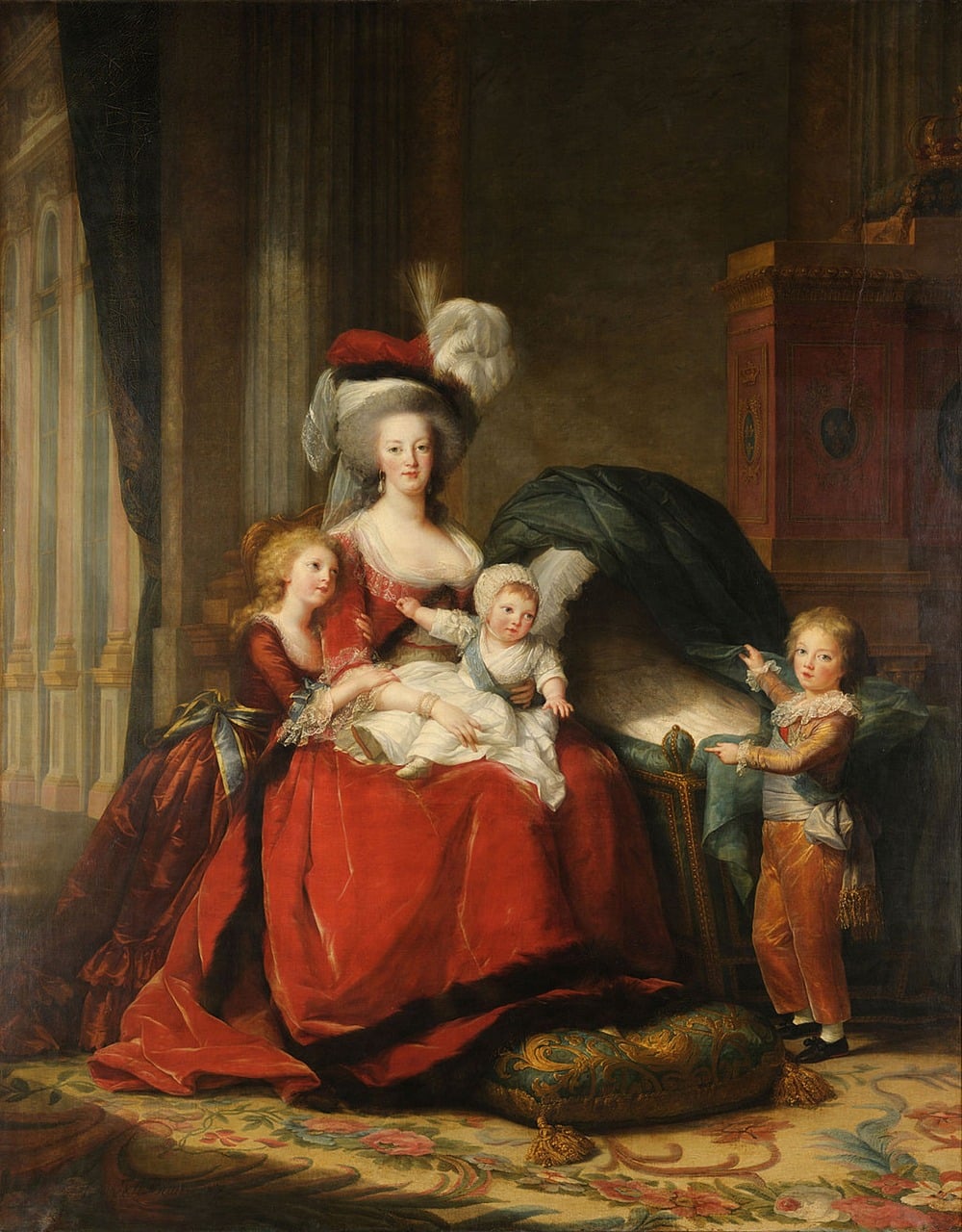
Marie-Antoinette, Queen of France in the 18th century, is one of the most iconic figures in the history of cosmetics and beauty rituals. A true symbol of fashion and refinement, she helped establish beauty standards that still resonate in modern practices today. While these rituals were once reserved for an aristocratic elite, characterized by the use of luxurious and often expensive products, they gradually shaped the beauty standards that continue to influence women around the world. This raises an interesting question: To what extent did the beauty care habits of the queen leave a lasting imprint on today’s beauty rituals, especially in an era where the pursuit of the perfect appearance is omnipresent and beauty remains a universal aspiration? To understand how Queen Marie-Antoinette influenced beauty standards in a lasting way, we must first explore her beauty routine. So, are you ready to discover the beauty regimen of one of history’s most remarkable queens?
What Was the Beauty Routine of the Most Iconic Queen of Her Time?

The first step in Marie-Antoinette’s beauty routine was her “cat’s toilet,” which she performed every morning in front of the entire court, who gathered to witness this particular ritual. Although this toilet was simple, it was of great importance to Marie-Antoinette, as the first part of her beauty routine was an intimate and cherished moment. After this basic toilet in front of the court members, Marie-Antoinette would retire to her private apartments to take her morning bath. This bath was not like any other. She would take either a steam bath or a warm water bath. These baths were designed to open and purify the skin while opening the pores. To complete her beauty routine, she would also take milk baths. These milk baths, rich in lactic acid, were accompanied by herbs and essential oils to soothe and nourish the skin.
The queen also paid close attention to the care of her facial skin. To take care of her face, the daughter of Maria Theresa of Austria had several rituals. First, she cleansed her skin with floral waters, such as rose water. At the time, rose water was highly prized and helped her maintain a radiant complexion. She also used plant-based lotions to remove impurities from her skin. After cleansing, she would apply facial masks. These masks were made with white ceruse, a mixture of lead powder and vinegar, used to whiten the skin and even out the complexion. Unfortunately, while this product helped the queen achieve her fair skin, she was unaware of its harmful long-term health effects. To complete her facial routine, she would use creams made from honey, milk, and sweet almond oil to nourish the skin and prevent wrinkles while keeping her skin soft and supple.
After caring for her body and face, Queen Marie-Antoinette paid special attention to her hair. She never neglected her hairstyles, which remain iconic to this day. She enlisted the help of her hairdresser, Léonard Autier, who created extravagant hairstyles that could reach over ten centimeters in height. Each hairstyle was a work of art that conveyed a message. These hairstyles reflected her royal status and creativity, adorned with flowers, ribbons, feathers, and even small miniatures depicting pastoral or historical scenes. To achieve these styles, Marie-Antoinette took great care of her hair, using nourishing oils and balms. One of the most commonly used oils was hazelnut oil, known for its ability to nourish the hair and promote growth. Her hair was also carefully brushed and maintained to avoid tangles and breakage before being transformed into a grand coiffure.
Like all women of the court, the Queen placed great importance on makeup. To perfect her complexion, she applied a generous layer of ceruse powder on her face to create a porcelain-like effect. This powder, made of lead, whitened her skin dramatically. At the time, pale skin was a symbol of high social status, as it indicated that a person did not have to work outside and was thus protected from the sun. Additionally, she used a subtle blush to give her cheeks a light glow and lipstick made from beeswax and natural pigments. For her eyes, the makeup was more discreet, with light eyeshadow applied to accentuate her gaze. Finally, the last touch to complete the Queen’s beauty routine was perfume. Perfumes were an essential part of Marie-Antoinette’s beauty regimen. She owned a collection of perfumes specially created for her, based on flowers and essential oils. Her favorite fragrances included rose, jasmine, and violet. The perfume was not only for fragrance; like all the elements of her beauty—from complexion to hairstyle—it carried a message. It was a way to signify her nobility and express a certain sensory power. The eau de toilette was delicately applied to her wrists, neck, and behind her ears.
Marie-Antoinette’s Beauty Routine: A Tradition That Continues in Today’s Society

Marie-Antoinette’s beauty routine has endured through the centuries and still influences contemporary society. Some of the products she used for her beauty care are still used today to enhance the skin. One such example is rose water. Marie-Antoinette used it as a toner, as well as to refresh and soothe her skin. Today, rose water is used globally, and can be found in a variety of cosmetic products, such as mists, lotions, creams, and more. Rose water has many benefits, including soothing sensitive skin, toning, and refreshing the complexion. It also helps tighten pores and fight redness and irritation.
Furthermore, Marie-Antoinette used honey in her masks. Honey is a key ingredient found in creams, masks, and balms. Honey has hydrating properties and is also an antibacterial agent that promotes healing. It nourishes the skin deeply and gives the complexion a healthy glow. Another ingredient that Marie-Antoinette used was egg. At the time, she would have masks made from egg whites mixed with honey and flour. In addition to its use in cosmetic products, this preparation has become popular today through DIY tutorials, offering an inexpensive yet highly effective treatment for firming the skin, tightening pores, and mattifying the complexion, while providing a natural lifting effect.
Moreover, the queen enjoyed milk baths mixed with flowers or honey to soften her skin. These milk baths have made a comeback in modern spas and at-home treatments. Known as “milk baths,” they have many benefits, such as softening and hydrating the skin, soothing dry or irritated skin, and leaving the skin smooth and silky.
In addition to these skincare treatments, Marie-Antoinette also influenced makeup trends. The queen favored light makeup with rosy cheeks, soft lips, and a clear complexion. This simple style is now known as the “no makeup” trend. It draws inspiration from the queen’s look, featuring cream blush, tinted lip balm, and light foundation. This style is very popular because it enhances natural features without masking them. The light makeup allows the skin to breathe and promotes a fresh, natural, and elegant appearance.
Marie-Antoinette also had other beauty habits that were considered “quirky” at the time but are still used today. For example, she created a fragrant mixture using vinegar, aromatic herbs, and flowers. She used it to refresh and purify her skin, as well as to disinfect her hands and face. Even today, beauty brands offer expensive vinegar-based products inspired by Marie-Antoinette’s recipe.
Additionally, the queen had a habit that was frowned upon at the French court, but which had many benefits. She used perfumed, nourishing night gloves. These gloves were soaked in oils and nourishing ingredients that the queen wore overnight to soften her hands. This treatment hydrated and repaired dry hands, leaving the skin soft upon waking, while protecting it from the cold and aging. Today, this trick still exists, with modern versions made from fabric or silicone.